Horror movie lists
49 lists, each built from how the films feel: the mood, the gore, the pace.
Moods
Horror that matches how you want to feel.
- Best atmospheric horror Atmospheric horror demands patience and precision, weaving dread through silence and sound as much as through what’s seen. These films don’t rush for cheap shocks; they build weight in the spaces between moments, where the mind starts to unravel. From the oppressive corridors of The Shining to the unsettling quiet of Return to Silent Hill, each title crafts a mood that’s cerebral and psychological, inviting viewers to lose themselves in slow-burning unease. Here, sound design is a weapon—whether it’s the eerie absence of noise or a subtle layering of unsettling tones—and the dread creeps steadily, tightening its grip. These selections show how horror can haunt with mood and mind, reminding us that sometimes what’s left unsaid speaks loudest.
- Slow burn horror Slow burn horror demands patience, but it rewards with a creeping unease that unfolds like a slow poison. These films resist the quick payoff, instead threading dread through quiet moments, clinical detachment, or stark minimalism. From Kubrick’s haunted corridors in The Shining to Ari Aster’s sunlit nightmare in Midsommar, the tension builds not through jolts but through the relentless weight of atmosphere and psychology. More recent entries like Return to Silent Hill and The Mortuary Assistant carry that torch with a modern edge, mixing survival instincts with deep-rooted trauma. Whether bleak or methodical, these stories probe the mind’s darker corners, inviting you to sit with discomfort long before the horror fully reveals itself. It’s horror that doesn’t shout; it whispers, waits, and unsettles.
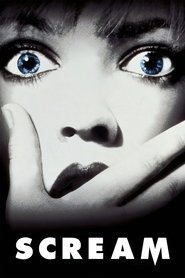
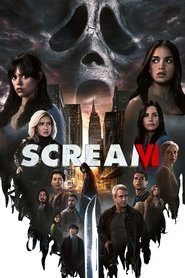
- Feel-good horror Not all horror seeks to grind you down. Some lean into the genre’s capacity for dark humor, thrilling set pieces, and playful self-awareness. This selection zeroes in on movies that balance dread with a sense of fun—the kind where tension snaps into laughter and the scares come with a wink. From the meta slasher savvy of the latest Scream installments to creature features and survival tales that don’t take themselves too seriously, these films remind us that horror can entertain without sacrificing its edge. They’re perfect when you want your pulse racing but your mood lifted, proving that fear and enjoyment aren’t mutually exclusive.
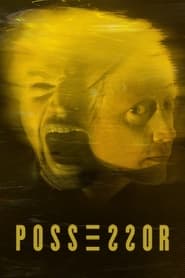
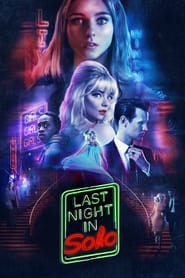
- Psychological horror films Psychological horror isn’t about what jumps out—it’s about what creeps in and refuses to leave. These films unsettle by unraveling the mind’s fragile grip on reality, often blending trauma, memory, and identity until they bleed into nightmare. From the fractured domestic horrors of *A Nightmare on Elm Street Part 2* and *Twin Peaks: Fire Walk with Me* to the disorienting cerebral puzzles of *Inland Empire* and *Last Night in Soho*, each entry probes different facets of mental torment. They don’t just show fear; they inhabit it, exploring how dread festers beneath the surface of everyday life. Whether steeped in supernatural dread like *Return to Silent Hill* or charged with raw emotional chaos like *Possession* and *Malignant*, these films demand more than passive viewing. They ask you to confront the dark corridors of the psyche where horror dwells in quiet, corrosive forms.
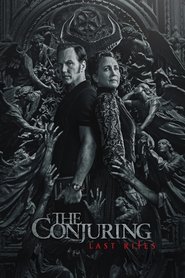
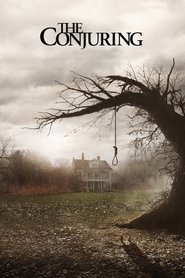
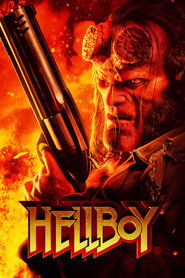
- Supernatural horror films Supernatural horror has always been a mirror to our fears of the unknown—the forces just beyond human grasp that disrupt reality and unsettle the mind. This selection spans decades and styles, from the occult dread of Carpenter’s Prince of Darkness to the modern mythmaking of The Conjuring and the comic-infused darkness of Hellboy. It’s a reminder that supernatural elements don’t just dress up scares; they channel deep anxieties about power, family, and the unseen. Whether it’s ritualistic terror in The Lords of Salem or the twisted dimensions of Silent Hill, these films use the supernatural to unsettle both body and psyche, each offering a unique riff on how the otherworldly can invade our world. This is horror where the unreal feels dangerously close, and the rules we trust no longer apply.
- Creature feature horror Creature features have always been the genre’s way of externalizing our fears—whether through monstrous forms or alien intelligences. This selection spans decades and styles, from the gothic shadow of Nosferatu’s latest incarnation to the kinetic chaos of Slither’s bio-horror. Here, dread is often paired with bursts of gore and moments of dark humor, reminding us that monsters can provoke more than just terror. Whether it’s the supernatural mythos of Hellboy or the genre-savvy subversion in The Cabin in the Woods, these films explore how creatures reflect our anxieties about bodies, otherness, and survival. Each entry pushes practical and digital effects to create beings that haunt the mind as much as the screen. This is horror anchored in the physical—where flesh, fang, and claw become symbols of something deeper, something primal.
- Most disturbing horror films Some films unsettle without relying on cheap shocks, digging into the darkest corners of human nature and trauma. This selection confronts you with images and ideas that refuse easy digestion—where dread clings to the psyche and family ties fracture under unbearable pressure. From Ari Aster’s sunlit nightmare in *Midsommar* to the raw extremity of *A Serbian Film*, these movies challenge what horror can be. They’re not just about gore or monsters; they expose wounds—both personal and collective—that haunt long after the screen goes dark. Expect to face discomfort that’s as cerebral as it is physical, a lineup that includes boundary-pushing classics and recent entries unafraid to test limits. This is horror stripped to its most disturbing essentials.
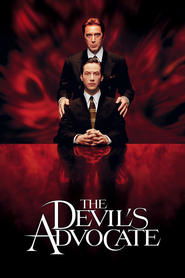
- Cerebral horror that gets under your skin Horror that haunts the mind demands more than surface scares—it unsettles by probing the fragile architecture of identity, memory, and desire. These films resist easy digestion, twisting psychological tension with thematic layers that resist resolution. From the corporate dread of *The Devil’s Advocate* to the dreamlike unease of *Last Night in Soho*, each title challenges what horror can reveal about our deepest fears. They exploit shadows cast by family secrets, fractured psyches, and existential dread, often blurring reality until you question your own grasp. The practical and digital effects work in tandem to unsettle, but it’s the stories’ cerebral core that etches their hold. This is horror that doesn’t just scare—it unsettles the way a quiet doubt grows into something you can’t shake.
- Survival horror films Survival horror distills fear down to its rawest form: the fight to stay alive when every second counts. These films trap characters in relentless, often claustrophobic situations where instincts sharpen and desperation mounts. Whether it’s a tight-knit group whittled down by unseen threats or a lone survivor pushed to the edge, the tension hinges on pursuit and escape. From Ridley Scott’s seminal Alien, which set a blueprint for cosmic terror and isolation, to the kinetic chaos of Train to Busan’s zombie siege, these stories map the anatomy of survival under pressure. They explore how fear fractures alliances and forges unlikely heroes, often spotlighting that crucial final figure who endures. Practical effects and intense chase sequences heighten the stakes, grounding the horror in tangible dread. This selection spans decades and subgenres but shares a single pulse: the unyielding will to survive against overwhelming odds.
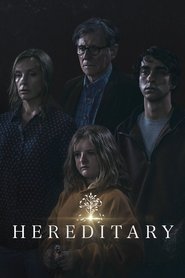
- Family trauma horror Family horror doesn’t just exploit blood ties for cheap scares—it exposes the fractures beneath the surface. These films use trauma as a lens to examine grief, dysfunction, and inherited curses that shape and haunt their characters long after the opening credits. From the raw emotional weight of *Hereditary* to the relentless dread of *The Exorcist*, this selection spans decades and styles but shares a core: family as both battleground and prison. The newest entries—*Scream 7* and *The Deadly Little Mermaid*—remind us that even in franchise horror or high-concept folklore, the shadows cast by family trauma remain a potent source of terror. Whether it’s supernatural inheritance or the brutal consequences of broken bonds, these films don’t shy away from the darker side of kinship. They speak to horror’s power to reflect the personal and the primal, where fear is tangled up in blood and memory.
- Films dripping with dread Some fears don’t announce themselves with sudden jolts; they creep in, tightening like a noose around the characters’ lives. These films specialize in that slow, suffocating weight, where every shadow and silence hints at an inevitable collapse. Here, dread isn’t just a mood — it’s the atmosphere itself, shaped by fractured families, psychological fractures, and a sense that survival might be a fading hope. From new takes on classic monsters to raw, intimate portraits of trauma, this selection refuses easy relief. It’s a quiet, grinding tension that settles deep, making you wonder not if something will go wrong, but when.
- Quiet psychological dread Some horror unfolds in bursts—quick shocks, sudden screams. Others move like a slow pulse, tightening around the mind with silence and suggestion. This collection leans into the latter: films that cultivate unease through quiet moments, where tension grows in the spaces between dialogue, and dread seeps in without spectacle. These aren’t the genre’s loudest or most graphic entries, but their power lies in what’s held back, the psychological weight pressing beneath the surface. From Kubrick’s haunted corridors to recent explorations of family trauma and fractured realities, these titles challenge the viewer to sit with discomfort and unravel complex fears. They remind us that horror doesn’t have to shout to be profoundly disturbing.
- Body horror films Body horror strips away the veneer of the human form, exposing the fragility and the grotesque beneath. These films confront transformation and invasion—whether by alien parasites, psychological possession, or malignant forces twisting flesh and mind alike. From Carpenter’s practical effects landmark to modern digital excess, the genre wrestles with fears of loss: of control, identity, even humanity itself. Each entry here pushes boundaries, combining high gore with unsettling concepts that unsettle your sense of self. They don’t just show bodies breaking down—they make you question what your body really means.
- Supernatural creature horror Supernatural creature horror occupies a distinct corner of the genre where folklore, myth, and otherworldly forces collide with monstrous forms. These films don’t just show creatures—they evoke the dread of the unknown, the uncanny, and the uncanny made flesh. From the occult-infused nightmares of *The Boxer's Omen* to the comic book-inflected darkness of *Hellboy*, this selection spans decades and styles, revealing how supernatural terrors continue to evolve. Here, the creature is more than a threat; it’s a symbol of deeper fears—whether cosmic, psychological, or rooted in ancient ritual. These movies balance spectacle with atmosphere, inviting us to confront what lurks beyond human understanding.
- Mind-bending horror Horror that twists perception has always been a mirror reflecting our fractured minds. These films unsettle not through brute force but by unraveling reality itself—shifting memories, unreliable narrators, and dreams bleeding into waking life. From Kubrick’s claustrophobic corridors to Lynch’s fractured identities, each title challenges what you trust. They don’t just scare; they question who you are when the world no longer makes sense. Whether through the eerie haze of Silent Hill or the fractured narrative of Inland Empire, these stories haunt the mind as much as the senses. If you crave horror that demands you piece together its fractures, this collection offers a descent into psychological uncertainty and cerebral dread.









Subgenres
The classic traditions, each with its own rules.
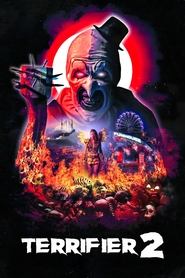
- Best slasher films Slasher films have long been a proving ground for horror’s ability to blend primal fear with cultural anxieties—whether it’s the fractured family at the heart of *A Nightmare on Elm Street: The Dream Child* or the relentless brutality of the *Wrong Turn* series. This selection leans into the genre’s blood-soaked roots, emphasizing films where gore isn’t just decoration but a storytelling tool that amplifies dread and character stakes. From the self-aware tension of *Scream 7* to the raw carnage of *Terrifier 3*, these films explore the violent extremes of survival and trauma. They remind us why slasher cinema remains fertile ground for exploring identity, fear, and the consequences of violence.
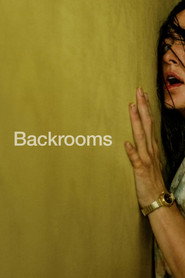
- Found footage horror Found footage horror thrives on the raw immediacy of recorded reality, blurring the line between spectator and participant. From the shocking extremity of Cannibal Holocaust to the creeping dread of Backrooms, these films use the shaky lens to trap you inside their worlds. The subgenre’s strength lies in how it captures fear as a lived experience—whether it’s survival against overwhelming odds or the psychological unraveling caught on camera. Some entries lean into gore and shock, while others push the boundaries of narrative and atmosphere, proving found footage remains a flexible tool for horror’s evolving anxieties. This isn’t just about handheld cameras; it’s about the illusion of truth and the terror found in what’s left unedited.
- Ghost stories and hauntings Ghost stories have always held a unique place in horror, where restless spirits and haunted spaces reflect our deepest fears about what remains when the living leave. From the haunted corridors of the Overlook Hotel to the eerie silence of Silent Hill, these films trap us in worlds where the past refuses to stay buried. This collection spans decades and styles—from the atmospheric dread of classics like The Shining to the survival-driven tension of Five Nights at Freddy’s 2 and The Mortuary Assistant. Whether it’s a cursed house or a vengeful spirit, these stories explore how hauntings unsettle both body and mind, turning familiar places into sites of psychological and supernatural menace. Each entry interrogates the boundary between memory and madness, showing that what haunts us is never just a ghost.
- Possession horror films Possession horror has long been a conduit for exploring the rupture of identity and the invasion of the self by forces beyond comprehension. These films don’t just depict bodies overtaken—they expose fractures within families, minds, and communities, often with supernatural dread as the catalyst. From the psychological torment of hereditary curses to the eerie rituals that summon ancient powers, each entry here probes possession from a unique angle. Whether it’s the fractured realities of Twin Peaks or the visceral brutality of The ABCs of Death, these works challenge our grasp on control and sanity. The spectrum runs from cerebral dread to outright gore, but all share a fixation on what happens when the familiar becomes alien inside us. This is possession horror as a mirror to both external evil and internal collapse.
- Vampire horror Vampires have always been a mirror to our fears—of death, desire, and the monstrous within. This selection spans centuries of bloodlust, from the shadowy mythic dread of Nosferatu to the sleek, predator’s grace of Blade. Here, horror meets family secrets in films like Interview with the Vampire and Sinners, exploring how immortality warps identity and kinship. Some lean into the relentless hunt, as in Abigail’s survival fight or Van Helsing’s creature confrontations. Others, like From Dusk Till Dawn, blend genre playfulness with brutal stakes. These stories remind us that vampire horror isn’t just about fangs—it’s about the darkness we inherit and the choices that keep us human.
- Zombie horror films Zombie horror thrives on the collision of decay and desperation. These films pit the living against the dead with stakes sharpened by relentless gore and the raw instinct to survive. Whether it’s the claustrophobic chaos of a city overrun or isolated pockets of humanity fighting to hold on, each entry channels a distinct pulse of dread and survival instinct. From the kinetic rush of *Train to Busan*’s train car to the claustrophobic tunnels in *28 Years Later: The Bone Temple*, these stories explore how humanity fractures and resists in the face of the undead. The genre’s evolution is clear here, moving beyond simple scares to examine trauma, family, and the breakdown of society itself. Practical effects meet digital carnage, and innovation in survival narratives keeps these films fresh, even as they pay homage to the genre’s gore-soaked roots.
- Haunted house horror Haunted houses are more than mere settings—they are characters shaped by dark histories and restless forces. This collection navigates the spectrum from classic supernatural dread to deeply psychological hauntings, where the walls seem to breathe with malevolence. From vintage cosmic terror in Carpenter’s *Prince of Darkness* to the eerie modern cult unease of *The Lords of Salem*, these films explore how architecture traps more than bodies. Family trauma and ancient curses twist through *Silent Hill* and *The Wailing*, while *The Conjuring* revives the well-worn but still potent formula of paranormal investigation. Even *Hellboy* ventures into haunted territory, blending myth with spectral menace. These titles remind us that haunted spaces reflect the fractures within—and sometimes invite the darkness out.
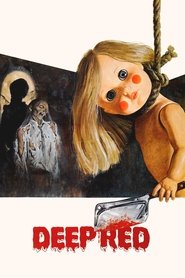
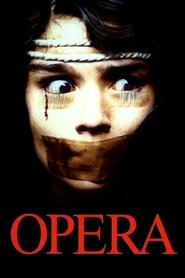
- Giallo films Giallo occupies a unique corner of horror, where murder mysteries meet stylized violence and surreal atmospheres. This Italian subgenre from the ’70s and ’80s isn’t just about who did it—it’s about how it looks and sounds, from Dario Argento’s hallucinatory use of color and Goblin’s unsettling scores to Luigi Cozzi’s and Lucio Fulci’s inventive set pieces. Expect sharp-edged suspense threaded with operatic gore and a certain flamboyance in framing death. These films laid groundwork for slasher cinema and expanded what horror could do with style and psychology. The list here traces some of the foundational and most influential entries, capturing the pulse of a genre where the nightmare is as much visual as it is narrative.
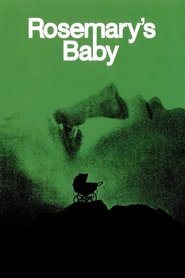
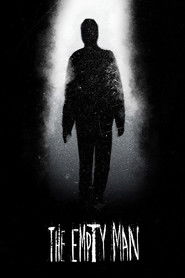
- Cult horror When horror reaches into the shadowed corners of belief and ritual, it reveals something deeper than fear: the fragility of the human mind confronting the unknown. These films explore cults not as mere backdrops, but as crucibles where psychology, family trauma, and the occult collide. From the unsettling rites of *Antichrist* to the creeping dread of *The Empty Man*, they unsettle with more than spectacle—they unsettle through what they suggest about faith, control, and madness. Whether through the witchcraft of *The Lords of Salem*, the ritualistic horror in *Hellraiser*, or the slow burn paranoia in *Rosemary’s Baby*, this selection examines how cult horror taps into our collective anxieties about belief systems turned nightmarish. Each film balances disturbing imagery with psychological depth, demanding attention beyond surface scares.
- Gothic horror films Gothic horror has always thrived in the tension between shadowed architecture and fractured minds. These films root their dread in history’s weight—crumbling estates, fog-bound moors, and the claustrophobic confines of family secrets. They’re less about gore and more about the unsettled psyche, where trauma seeps through walls and time bends to memory’s dark will. From the silent menace of *Nosferatu* to the haunted corridors of *The Woman in Black*, the subgenre channels both the grandeur of period settings and the intimate terror of domestic spaces. This selection leans into psychological complexity, where dread is as much about what’s inside the mind as what lurks beyond the threshold. Whether reimagining classic monsters or exploring original tales of isolation and identity, these films remind us why gothic horror endures: it’s a mirror to our most persistent fears dressed in velvet and decay.
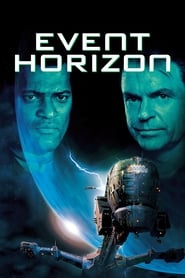
- Sci-fi horror films Science fiction and horror have always shared a restless curiosity about the unknown—what lies beyond our grasp, what we create that might turn against us. This selection charts a course through claustrophobic corridors, alien-infested ships, and the crushing depths beneath the ocean, where survival is never guaranteed. From Ridley Scott’s pioneering vision that redefined both genres to recent entries probing new corners of cosmic dread, these films confront the consequences of humanity’s hubris and the terror of isolation. Whether it’s a single creature stalking a crew or an entire ecosystem gone awry, these stories reveal how science’s promises can twist into nightmares. The tension between discovery and destruction pulses through each frame, reminding us why the void—whether in space or deep underwater—remains one of horror’s most potent frontiers.
- Werewolf horror The werewolf has prowled horror’s margins for decades, shifting shape with every era’s fears. From the gothic shadows of classic lycanthropy to the slick action of modern hybrids, these films trace the monster’s evolution. Some lean into folklore’s primal terror, while others riff on transformation as a metaphor for identity and loss. Whether it’s the dark humor of John Landis’s cult favorite or the kinetic energy of recent releases, each entry marks a unique howl in the genre’s ongoing conversation. For those drawn to the clash of man and beast, this selection offers a cross-section of the lycanthrope’s many guises and the fears they evoke.
- Serial killer horror Serial killer horror has long been a mirror reflecting our darkest impulses, exposing the fragile line between sanity and madness. This selection covers a range of approaches—from the surreal, almost mythic unraveling in *Possession* and *Twin Peaks: Fire Walk with Me*, to the visceral, intimate descent in *Maniac* and *The House That Jack Built*. These films don’t just show killers; they explore fractured psyches and the traumas that shape them. Recent entries like *Titane* and *Scream 7* demonstrate how the subgenre continues to evolve, mixing psychological depth with contemporary anxieties. Whether through unsettling atmosphere, brutal imagery, or twisted family dynamics, these stories confront the human villain not as a monster in the shadows, but as a terrifying inhabitant of our world.
- Infection and contagion horror Infection and contagion horror taps into a primal dread rooted in loss of control—when the body becomes a battleground, and survival hinges on both physical and psychological resistance. This subgenre traces a lineage from the pioneering body horror of David Cronenberg to the relentless tension of zombie outbreaks and parasitic invasions. The films here confront viral mutation, invasive organisms, and the breakdown of human identity, reflecting collective anxieties about pandemics, environmental collapse, and the fragility of social order. Whether it’s the claustrophobic terror of Alien’s xenomorph or the chaotic aftermath of 28 Years Later’s infected hordes, each entry explores how infection can fracture communities and unravel minds. These stories thrive on the intersection of gore and dread, but also on the cerebral unraveling that follows the initial bite or injection. From recent high-impact releases to genre-defining classics, this selection offers a cross-section of infection horror’s evolution—and its relentless hold on our darkest fears.





Content warnings
Know what you're getting into before you press play.
- High gore horror When blood flows freely and bodies become battlegrounds, horror sheds its restraint and confronts the audience head-on. These films don’t shy away from graphic displays; they use gore as a language to amplify dread, challenge endurance, and explore survival against brutal extremes. From the relentless traps of the Saw series to the twisted game of Ready or Not, these titles balance carnage with storytelling that hooks beyond shock. Here, gore isn’t mere spectacle—it’s a key part of how these movies unsettle and engage, tracing a lineage from classic torture horror to modern reinventions that keep the genre raw and dangerous. If you want horror that pushes the boundaries of flesh and fear, this selection delivers without compromise.
- Psychologically intense horror These films unsettle by turning inward, unraveling the mind’s darkest corners where trauma and dread intertwine. From Ari Aster’s sunlit nightmare in Midsommar to the fractured psyche explored in Possession and Antichrist, each title probes psychological fractures with intensity rarely matched. They don’t rely on cheap shocks; instead, they build a slow-burning tension that twists familiar relationships and personal demons into something unrecognizable. Whether it’s the layered torment of Twin Peaks: Fire Walk with Me or the creeping dread in The Empty Man, these movies demand your full attention—and your willingness to confront what lies beneath. This is horror that stays with you, not because of what it shows, but because of what it makes you feel.
- Extremely disturbing films Some films don’t just unsettle—they unsettle with a purpose that scrapes raw nerves and refuses easy escape. These are works that push genre boundaries, challenging even seasoned horror fans who think they’ve seen it all. From the ritualistic dread of *Midsommar* to the relentless taboo-shattering of *A Serbian Film*, each title here carries its own kind of weight—a mix of family trauma, graphic intensity, and psychological unraveling. This isn’t about cheap shocks or exploitation for its own sake; it’s about confronting darkness that’s often buried beneath the surface of human experience. Approach with care, but don’t turn away—there’s value in horror that demands more than just a jump scare.
- Horror with no gore Horror doesn’t need gallons of blood to unsettle or disturb. These films prove tension, atmosphere, and psychological unease can cut as deep as any slash or spray. From the creeping dread of *Exit 8* and *The Ugly Stepsister* to the more cerebral explorations in *Alpha* and *The Deadly Little Mermaid*, this selection favors suggestion over spectacle. They lean into family trauma, survival instincts, and the uncanny, offering a different kind of menace—one that creeps under your skin without relying on explicit violence. Whether it’s the slow burn of *Lola’s Secret* or the fresh takes in *Send Help* and *Do Not Enter*, these titles remind us that horror’s true power often lies in what’s left unseen or barely glimpsed.
- Not too scary Not every horror needs to push boundaries or unsettle your core. Sometimes the genre’s strength lies in its ability to invite newcomers without overwhelming them. This selection offers films that tread carefully—where tension builds without tipping into extremes of gore or psychological strain. Expect atmospheres thick with dread and moments that unsettle, but nothing that demands crossing a line few are ready for. These titles balance accessibility with the genre’s essential unease, making them ideal entry points or quiet companions when you want something more measured. From supernatural whispers to survival games played just below the surface, each film respects the audience’s threshold while still delivering that slow, compelling pull into horror’s darker corners.
- Home invasion horror The horror of home invasion taps into a primal dread: the collapse of sanctuary. These films strip away the illusion that four walls can shield us, turning living rooms and bedrooms into battlegrounds. From the relentless stalking in *The Strangers* to the brutal ingenuity of *The Collector*, this subgenre exposes the fragility of safety when violence breaches the threshold. More than just physical threats, many entries—*The Purge* and *No One Will Save You*—weave in family trauma, deepening the psychological stakes. The tension comes not just from what’s outside but what cracks appear inside, whether in fractured relationships or moral decay. These stories ask: when the place you trust becomes a cage, how far will you go to survive?
- Nightmare fuel These films don’t just unsettle—they dismantle. Each offers a grim exploration of despair and powerlessness, where hope withers or never takes root. From ritualistic horror in broad daylight to brutal examinations of trauma and survival, they reject catharsis and embrace bleakness. Expect narratives that strip away illusion, leaving characters adrift in inescapable torment. This is horror that confronts the darkest edges of human experience, refusing comfort or easy answers. Proceed with care.


Films like…
Loved something? Find its closest relatives.
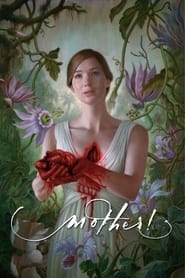
- Movies like Hereditary There’s a specific kind of horror rooted in family secrets and inherited trauma—a slow-burning dread that twists blood ties into something almost unrecognizable. These films don’t just unsettle with supernatural elements; they unravel the fragile bonds that hold a family together, revealing grief, guilt, and repression as forces as destructive as any monster. From the claustrophobic atmospheres of “mother!” and “Antichrist” to the haunting echoes of “Twin Peaks: Fire Walk with Me,” this selection explores how psychological torment and family dysfunction become the true source of terror. These stories remind us that sometimes the darkest horrors come from within the home, where love and pain are tangled beyond repair.
- Movies like The Shining Few films capture the fractured mind and creeping dread of isolation like The Shining. Its blend of psychological depth and mounting unease set a high bar for horror that probes the human psyche rather than relying on cheap shocks. The movies here share that DNA—stories where mental unraveling and eerie environments twist together, pulling characters into spirals of madness or trauma. From the haunted corridors of Silent Hill to the unsettling corridors of wellness retreats, these films explore how isolation warps perception and fractures identity. If you’re drawn to horror that challenges your mind and disturbs your sense of reality, these choices offer a spectrum of cerebral terror, each with its own grim pulse.
- Movies like The Thing Isolation sharpens suspicion. When the walls close in and the threat wears no face, paranoia becomes a weapon as essential as any firearm. These films echo the claustrophobic dread of *The Thing*, where survival hinges on trust that frays with every breath. From Ridley Scott’s original *Alien* to the kinetic desperation of *Train to Busan*, each title traps its characters in confined spaces haunted by something relentless and unknowable. Gore punctuates the tension, but it’s the unraveling of alliances that cuts deepest. Here, the enemy isn’t just the creature stalking the dark—it’s the fear that anyone nearby could already be the predator.
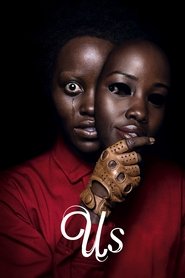
- Movies like Get Out Jordan Peele’s Get Out reshaped horror by threading sharp social critique through a psychological thriller with a twist. These films extend that tradition, balancing cerebral narratives with incisive commentary on identity, power, and trauma. From The Devil’s Advocate’s Faustian bargains to Us’s fractured reflections on privilege, this selection probes the unseen forces shaping our fears. Each entry manipulates expectations, inviting the viewer to question what lurks beneath social facades. These aren’t simply scare machines—they’re puzzles and provocations demanding attention beyond the surface. Whether new releases like The Substance or genre classics, they share a commitment to unsettling the mind as much as the senses.
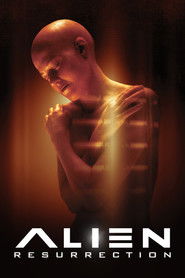
- Movies like Alien There’s a cold logic to the original Alien’s design: a single hostile creature, a claustrophobic setting, and a dwindling group of survivors forced to outthink a predator that doesn’t reason. These films carry that same DNA—isolated environments where the threat is not just the monster, but the crushing weight of being trapped with it. Whether it’s the unforgiving void of space or a remote outpost, the tension hinges on what you sacrifice to survive. This selection honors the lineage of that primal struggle, spotlighting movies where alien entities—or creatures equally merciless—turn isolation into a weapon. From Ridley Scott’s pioneering vision to contemporary entries like Osiris, these stories remind us why the fear of what waits beyond the airlock remains so potent.
- Movies like Scream Few horror franchises have redefined their subgenre with both wit and teeth like Scream. Wes Craven’s 1996 original arrived just as slasher cinema was gasping for new life, injecting self-awareness and sharp dialogue into the familiar formula of masked killers and isolated victims. These films don’t just kill characters—they comment on the rules, the clichés, and the audience’s expectations, all while delivering the thrills and bloodletting that fans crave. This list tracks that blend of sly meta-horror and crowd-pleasing carnage, from the franchise’s revival entries to kindred spirits like Bride of Chucky, which similarly balance humor with horror. If you appreciate a killer ensemble slowly picked off and a script that knows exactly what it’s doing, these picks offer a range of slasher fun that’s as smart as it is bloody.
- Movies like It Follows It Follows set a quiet, methodical standard for horror that creeps in with relentless inevitability. These films share that same patient, simmering dread—threats that don’t announce themselves with noise but with an unshakable presence. They trade cheap scares for psychological weight, inviting you to sit with discomfort as it accumulates. Whether it’s family trauma, creeping curses, or existential menace, these stories keep you on edge, never letting the nightmare fully recede. If you’re drawn to horror that thinks as much as it unsettles, where the dread is woven into every frame, this selection offers a slow-burning descent into unease.
- Movies like The Conjuring The Conjuring set a high standard for haunted house tales rooted in family anguish and malevolent spirits. Its success lies in weaving personal trauma into supernatural dread, a formula that has since echoed through a diverse array of films. From Korean folk horror’s The Wailing to the nightmarish corridors of Silent Hill, these stories confront possession, demonic forces, and haunted spaces not just as external threats but as reflections of fractured families and buried secrets. Some lean into psychological puzzles, like Twin Peaks: Fire Walk with Me, while others, such as Incantation and Veronica, explore cultural and spiritual dimensions of possession and curse. Each entry here shares The Conjuring’s commitment to atmosphere and emotional weight, reminding us that the most unsettling hauntings often come from within.
- Movies like 28 Days Later When a relentless infection shatters society, the true terror often lies in what comes after—the desperate fight to stay alive as the infected close in. These films capture that raw tension, where survival becomes a daily gamble and the fragile bonds within a group fray under pressure. From the kinetic chaos of “Train to Busan” to the claustrophobic dread of “Day of the Dead,” each story traces the collapse of order and the brutal calculus of trust. Practical effects and digital menace combine, animating swarms of the undead or parasitic horrors that consume both body and will. This is horror that tests the limits of human endurance, where every breath might be your last and every face could be your undoing.
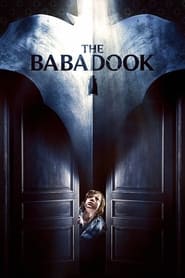
- Movies like The Babadook Grief shapes the shadows these films explore, where family fractures twist into something both intimate and disquieting. They trade overt horror for psychological weight, where dread stems from what’s left unsaid and the ghosts we carry within. From the claustrophobic guilt in *The Babadook* to the spectral echoes in *Beloved*, these stories use trauma as their terrain, probing the fragile boundaries between memory and madness. The horror here is cerebral, anchored in fractured relationships and the haunting persistence of loss. Each film asks how the past claws its way into the present, turning familiar faces into sources of unease. If you’re drawn to horror that unsettles through emotional complexity rather than spectacle, this selection charts a course through grief’s darker corridors.
- Movies like Suspiria Suspiria’s blend of hypnotic visuals and unsettling themes carved a space where horror and art collide. If you’re drawn to that uneasy marriage of beauty and dread, these films offer a similar experience—each exploring psychological depths through striking, often surreal imagery. From Ari Aster’s sunlit nightmare in Midsommar to the neon-lit perversity of The Neon Demon, these selections challenge how we perceive fear and fascination. Some unsettle with family trauma and fractured minds, others with ritual and darkness that blur waking life and dreams. This is horror that asks you to watch closely, to feel the tension in every frame, and to question what lies beneath the surface of its eerie elegance.
- Movies like A Quiet Place When silence itself becomes a weapon, every breath draws you deeper into the story. Films like these thread survival and fractured family bonds through tension thick enough to choke on. They don’t just trap characters in deadly environments—they expose the fragile dynamics holding them together. From the desperate quiet of A Quiet Place to the claustrophobic panic of Train to Busan, these movies explore what happens when noise means death and trust is the only shield. Whether it’s hiding from unseen terrors or navigating nightmare realities where sound is danger, these selections reflect how horror channels primal fears through intimate struggles and the instinct to protect those we love.
- Movies like The Exorcist Possession narratives often tread a fine line between the supernatural and the psychological, probing family fractures as much as demonic forces. These films don’t just show possession as an external horror; they explore how trauma embeds itself in bloodlines and belief systems. From the oppressive atmosphere of *The Exorcist* to the unsettling family dynamics in *Hereditary* and *The Wailing*, this selection highlights works where religious dread and intimate suffering converge. They challenge the viewer to question where the true evil lies—within the haunted body or the broken family. Expect a mix of ritual, myth, and mind games, each film a meditation on faith, fear, and the inherited burdens that possession can symbolize.