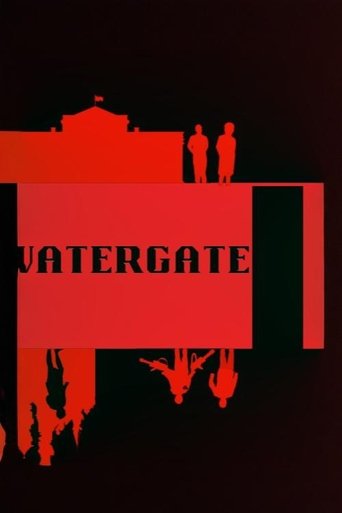
Watergate
A sequel to Rupert v Nixon and the end for the RNCU
Why it matters
A sharp political horror sequel that turns the Watergate scandal into a chilling exploration of institutional decay and paranoia.
- Expands the shadowy universe begun in Rupert v Nixon, deepening the conspiracy with eerie, grounded dread.
- Blends historical fact with creeping supernatural undertones, offering a fresh take on political horror’s potential.
- For fans of slow-burn paranoia and atmosphere over gore—think The Parallax View meets The Wicker Man’s oppressive mood.
- Marks a fitting thematic finale for the RNCU saga, closing a chapter on political terror with unsettling resonance.
Director
Cast
Horror DNA
⚠ Limited data — scores are approximate
Gore not enough information
Slow Burn not enough information
Psychological not enough information
Supernatural not enough information
Creature not enough information
Disturbing not enough information
Fun Factor not enough information
Cerebral not enough information
Survival not enough information
Content Warnings
Phobia triggers
Production History
Intelligence Brief
Watergate (2026) promises a meta-political horror climax, wrapping up the RNCU saga with director Baylor Way at the helm.
- Why it matters: As a sequel to the cult-favorite Rupert v Nixon, it closes a narrative arc steeped in political paranoia and conspiracy, a fertile ground for horror reflecting contemporary distrust in institutions.
- What we know: The film is positioned as the final chapter of the RNCU universe, blending real-world political tension with horror elements, pushing boundaries established by its predecessor.
- Who's involved: Directed by Baylor Way, who also acts alongside Donald "Eli" Rando, Grick Frasher, Carl., and Will Constellation—an ensemble known for indie horror cred and boundary-pushing performances.
- The buzz: Early festival whispers highlight its atmospheric tension and sharp political commentary, with fans eager to see how Way concludes this dark saga.
Production Intel
- Status
- Released