Cape Fear Series Pushes Visual Boundaries with Experimental Episode
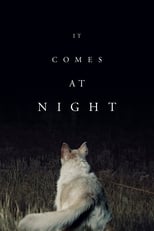
Related Film
It Comes at Night
The quick read
- Cape Fear adaptation showcases a surreal episode directed by Trey Edward Shults.
- Episode features acid trip scene with innovative visual techniques by Celiana Cárdenas.
- The episode exemplifies show's willingness to explore the edges of horror storytelling.
The latest episode of Peacock's Cape Fear adaptation has taken a daring departure from traditional horror storytelling, featuring direction by the talented indie horror filmmaker Trey Edward Shults. Known for his previous work such as *It Comes at Night*, Shults collaborates with cinematographer Celiana Cárdenas to deliver a visually arresting journey through the psychedelic chaos of the Bowden family's experience. According to SlashFilm's exclusive interview with showrunner Nick Antosca, Shults's direction allowed the episode to break free from conventional narrative confines, pushing the boundaries of visual horror storytelling.
IndieWire further details the technical marvel behind the episode. Cárdenas skillfully shifted between different lenses and aspect ratios to convey a sense of disorientation and unreality, creating a visual style that matched the episode's intense thematic content. The innovative approach taken in this episode underscores the series' commitment to experimental horror, drawing on the director's indie roots to craft a unique cinematic experience that stands out in the horror landscape. This episode marks a significant moment for Cape Fear, highlighting how genre storytelling is expanding in scope and ambition even on the small screen.
As more filmmakers from the indie circuit are given creative freedom within larger productions, this episode of Cape Fear is a harbinger for the evolution of horror on streaming platforms. It signals a willingness to explore uncharted territory in horror, inviting audiences to experience more than just jump scares or familiar tropes. Trey Edward Shults's contribution sets a new standard for what serialized horror can achieve both visually and narratively.